A Practical Guide to Menopause Relief Supplements: What Works and What Doesn't
@menopausereliefpoint
I remember sitting in my gynecologist's office at forty-seven, fanning myself with a magazine while she calmly explained that my symptoms were normal. Normal or not, the hot flashes were waking me every ninety minutes, the vaginal dryness was making intimacy painful, and the mood swings had turned me into someone I barely recognized. I wanted relief, but I also wanted to know what I was putting into my body. That search led me down a rabbit hole of menopause relief supplements, and after months of trial and error, I learned a few things worth sharing.
Understanding What Your Body Needs During Menopause
Menopause is essentially the end of your ovaries' production of estrogen. This hormone drop is responsible for most of the symptoms that make this transition so disruptive. Your body doesn't just miss estrogen for reproductive reasons; estrogen helps regulate your sleep cycle, maintain vaginal tissue health, and even protect your bones. When it disappears, everything shifts.
Supplements can help bridge that gap, but not all are created equal. Some work by introducing plant-based compounds that mimic estrogen, while others target specific symptoms like sleep disruption or mood swings. The key is matching the right supplement to your most bothersome symptom, and knowing what to expect from each one.
Herbal Phytoestrogens: Nature's Gentle Approach
Herbal phytoestrogens are compounds found in plants that can bind to estrogen receptors in your body, producing a mild estrogen-like effect. They aren't as strong as hormone replacement therapy, but for many women, they offer enough relief without the risks associated with synthetic hormones.
Black cohosh is one of the most well-researched options. I started taking it after reading a study that showed it reduced hot flashes by more than forty percent in some women. It worked for me, though it took about three weeks to notice a difference. The downside is that black cohosh can be hard on the liver if you take it for years, so it's best used cyclically or under a doctor's supervision.
Soy isoflavones are another popular choice. They come from soybeans and have a chemical structure similar to human estrogen. I found them helpful for hot flashes, but less effective for vaginal dryness. Some women experience bloating or digestive upset from soy isoflavones, so start with a low dose.
Red clover contains isoflavones as well, but with a different balance that some women find more effective. I've talked to women who swear by red clover for mood swings, though I personally didn't notice much change in that area. It's worth trying if soy doesn't agree with you.
Chasteberry is less common but gaining attention. It comes from the chaste tree and has been used traditionally for female reproductive issues. I haven't tried it myself, but a friend said it helped her sleep through the night without the grogginess she got from melatonin.
Targeting Sleep Disruption and Mood Swings
Sleep disruption was my breaking point. I could handle hot flashes during the day, but waking up every hour left me exhausted and irritable. This is where adaptogens and nootropics came into my life.
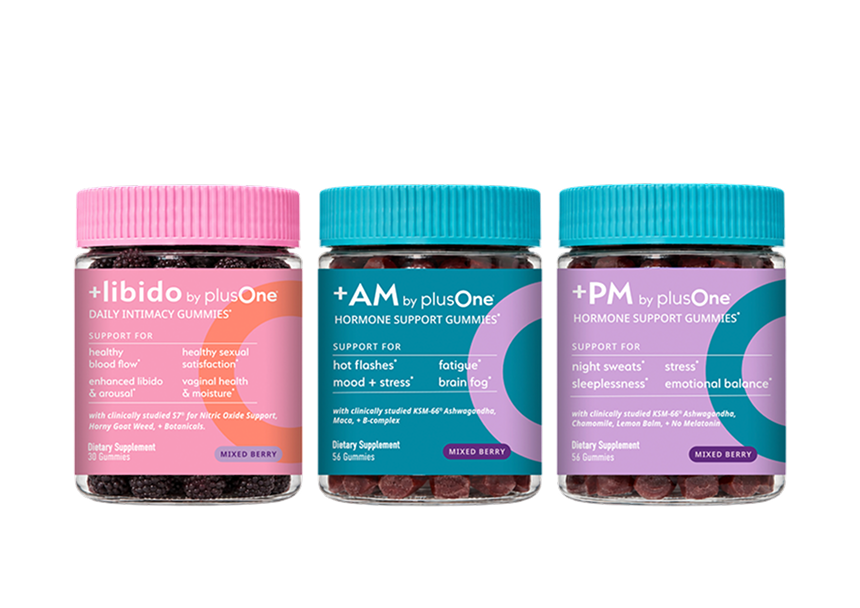
Ashwagandha is an adaptogen that helps your body manage stress. I started taking it in the evenings, and within a week, my mood swings felt less intense. It doesn't knock you out like a sleeping pill, but it quiets the mental chatter that keeps you awake. I pair it with rhodiola rosea during the day, which gives me steady energy without the jitters of caffeine. Rhodiola rosea is known for helping the body adapt to physical and emotional stress, and I found it particularly useful during high-pressure workdays.
Melatonin is the most direct sleep aid, but I use it sparingly. A low dose (one milligram or less) taken an hour before bed can help regulate your sleep cycle without causing dependence. Higher doses can lead to vivid nightmares or morning grogginess, so start small. I also take magnesium glycinate before bed. Magnesium glycinate is a highly absorbable form of magnesium that relaxes muscles and nerves. It helped me fall asleep faster and wake up less often. Combined with ashwagandha, it became my go-to evening stack.
For women whose mood swings are severe, some menopause relief supplements include nootropics like L-theanine or phosphatidylserine. These support brain function and can smooth out the emotional rollercoaster. I added L-theanine to my morning tea and noticed I was less reactive to small frustrations.
Bone Health and Vaginal Dryness
Estrogen loss doesn't just affect your temperature and mood; it also accelerates bone loss and thins vaginal tissues. Vitamin D is essential for calcium absorption, and most women going through menopause need more than they think. I take vitamin D with calcium citrate because calcium citrate is easier on the stomach than calcium carbonate and doesn't require stomach acid for absorption. If you've ever had kidney stones, talk to your doctor before adding calcium.
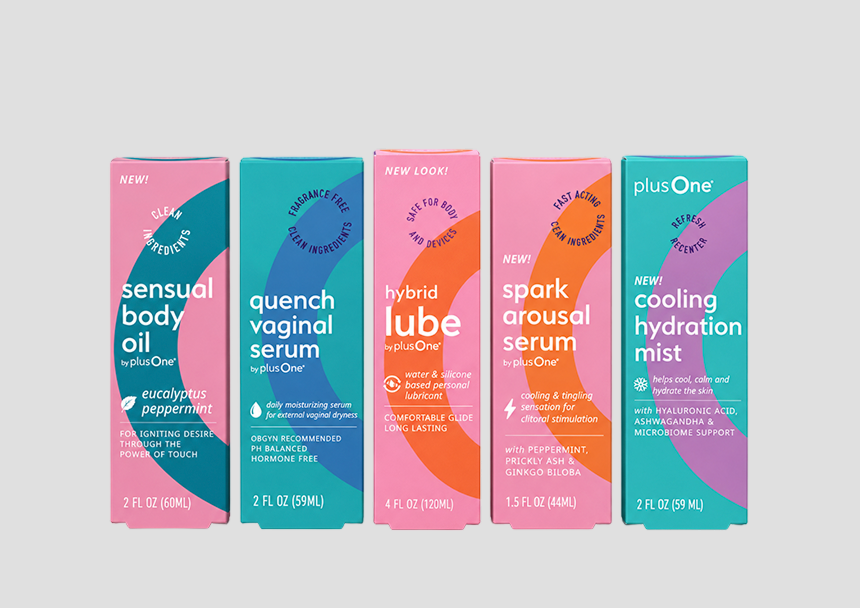
Vaginal dryness is one of the most frustrating symptoms because it affects intimacy and comfort. Systemic supplements like red clover or soy isoflavones may help somewhat, but many women need more targeted support. Probiotics for women can help maintain a healthy vaginal microbiome, which supports natural lubrication and reduces the risk of infections. I take a probiotic that specifically contains Lactobacillus strains, and I've noticed less irritation and better moisture over time.
Some women turn to thermogenic supplements to boost metabolism and manage weight gain during menopause. These often contain green tea extract or cayenne, which increase body heat slightly. If you're already dealing with hot flashes, thermogenic supplements might make them worse. I tried one for a month and had to stop because my night sweats became unbearable. Listen to your body on this one.
Putting It All Together: Building Your Own Supplement Routine
There is no single menopause relief supplements regimen that works for everyone. What helped my hot flashes might not touch yours, and what fixed your sleep could leave me wide awake. The best approach is to start with one supplement, track your symptoms for two to three weeks, and then add or subtract based on what you observe.
Here is a simple framework I used and still recommend to friends:
- Identify your top two or three symptoms. Write them down and rate their severity daily.
- Choose one supplement that targets your most disruptive symptom. For hot flashes, start with black cohosh or soy isoflavones. For sleep, try magnesium glycinate or ashwagandha.
- Give it three weeks. Most herbal supplements need time to build up in your system.
- If you see improvement, keep it and add a second supplement for your next symptom. If not, switch to a different option.
- Reassess every three months. Your needs may change as you move through perimenopause into postmenopause.
I also recommend keeping a simple journal. Note when you take each supplement, what you eat, and how you feel. Patterns emerge that you wouldn't notice otherwise. For example, I discovered that taking ashwagandha on an empty stomach made me drowsy, but taking it after dinner gave me the best sleep without next-day fatigue.
What to Watch Out For
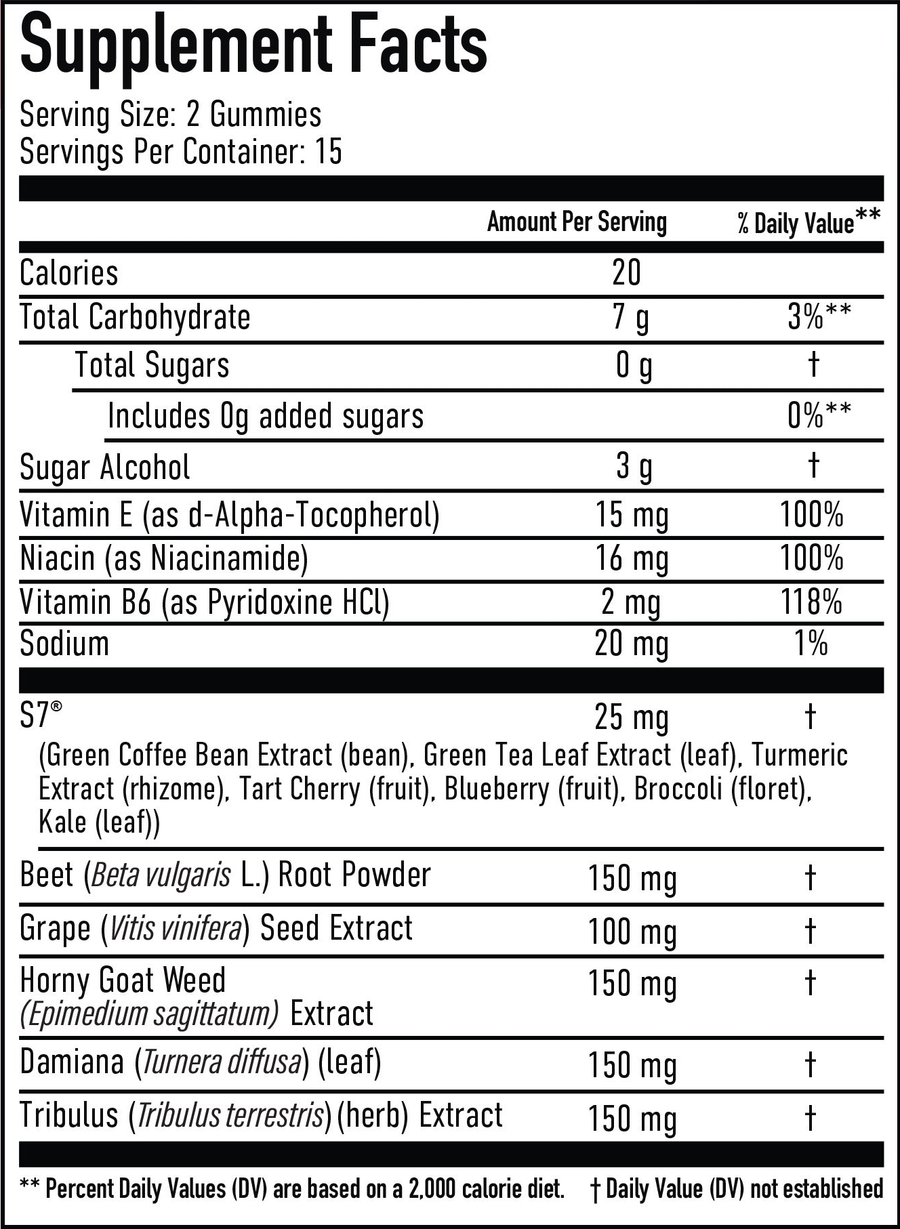
Not every product labeled as natural is safe. Some menopause relief supplements contain hidden hormones, stimulants, or fillers that can cause side effects or interact with medications. Look for brands that third-party test their products and clearly list every ingredient. Avoid anything with proprietary blends that hide the exact amounts of each compound.
Also be wary of supplements that promise overnight results. Real change takes time, and if something sounds too good to be true, it probably is. I wasted money on a thermogenic supplement that claimed to eliminate hot flashes in a week. All it did was make me sweat more.
Finally, talk to your healthcare provider before starting any new supplement, especially if you take prescription medications or have a medical condition. Black cohosh, for example, is not recommended for women with a history of liver disease. Soy isoflavones may not be suitable for those with thyroid issues. A good doctor or a registered dietitian can help you navigate these choices.
Final Thoughts
Menopause is not a disease; it's a transition. But that doesn't mean you have to suffer through it. The right supplements can make a real difference in your quality of life, helping you sleep better, feel more even-tempered, and enjoy intimacy again. The key is to approach it with patience, curiosity, and a willingness to adjust as you learn what your body needs.
I still have hot flashes sometimes, but they're brief and manageable. I sleep through most nights now. And when I look back at that woman fanning herself in the doctor's office, I wish I could tell her that relief was possible, and that finding it didn't require a cabinet full of pills. Just a few well-chosen ones, a little time, and the honesty to listen to what her body was saying.